
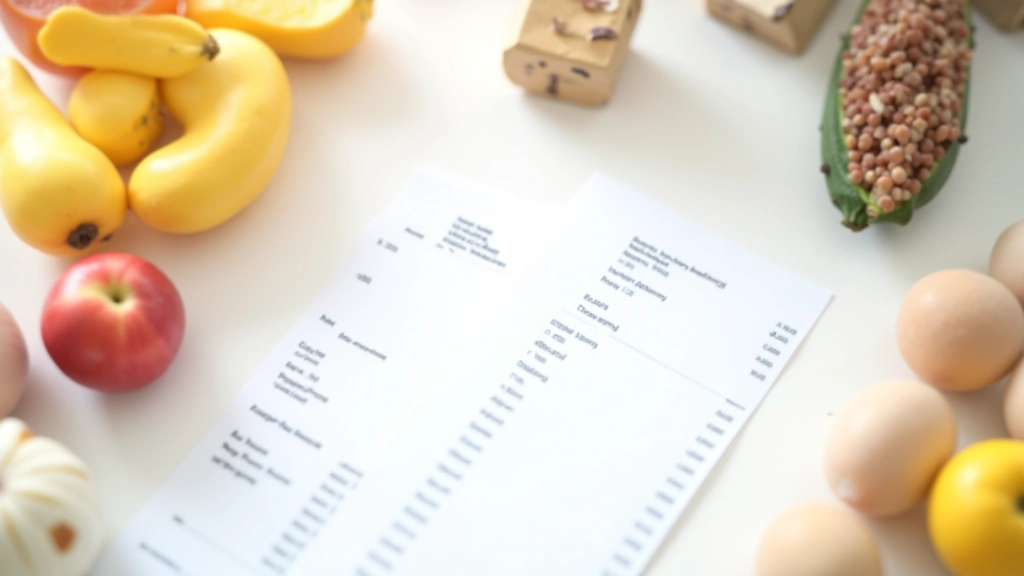
How CPI Tracking Works in Malaysia
Learn the methodology behind Consumer Price Index calculations and how statisticians measure inflation across different product categories and regions.
Read MoreTrack consumer price trends, explore CPI methodology, and understand how fuel subsidies and food prices shape your cost of living.
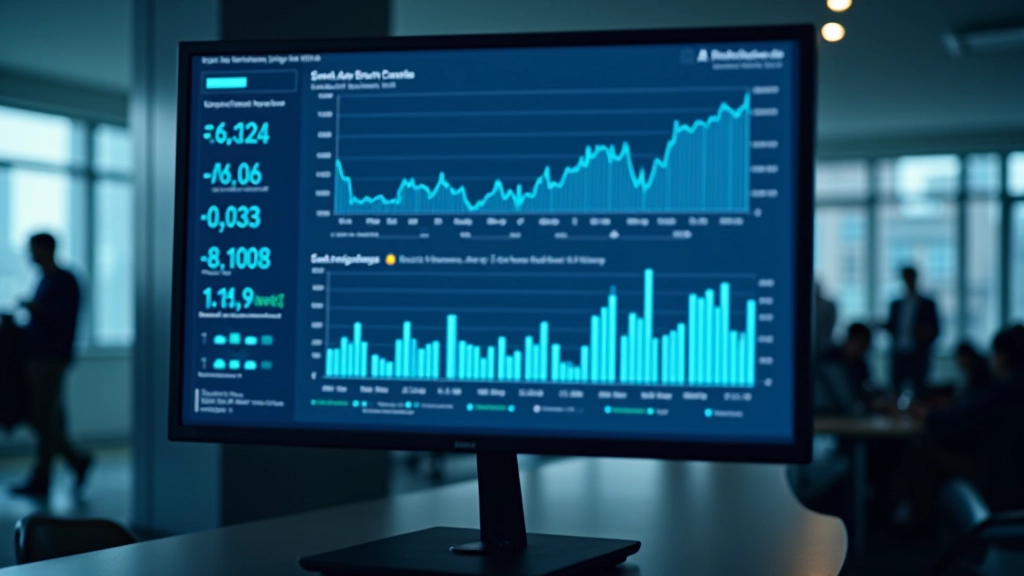
Dive into our most essential guides on Malaysian inflation, consumer prices, and economic trends affecting your household.
Learn the methodology behind Consumer Price Index calculations and how statisticians measure inflation across different product categories and regions.
Read More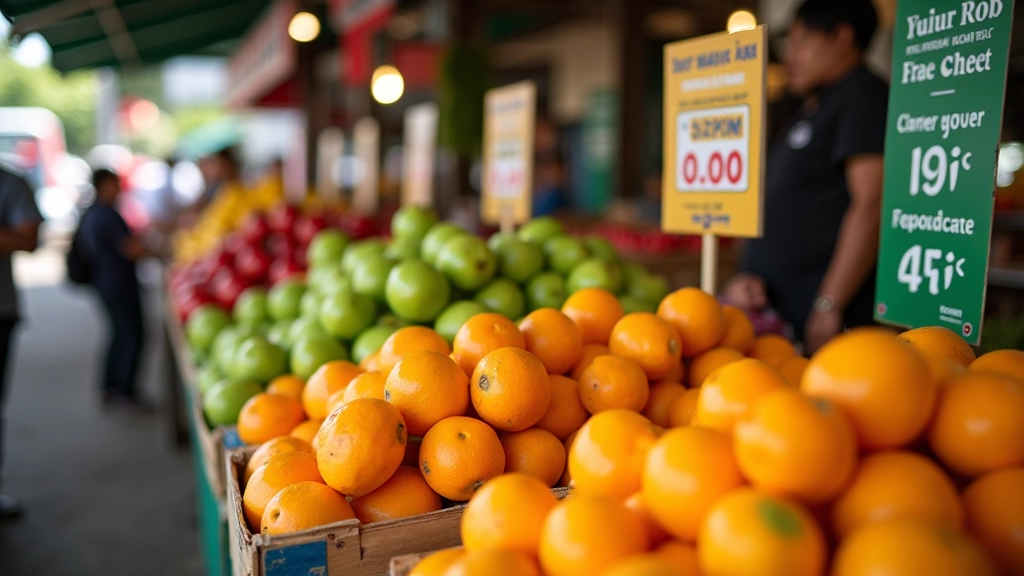
Understand why food costs rise and fall throughout the year, from harvest seasons to supply chain pressures affecting Malaysian households.
Read More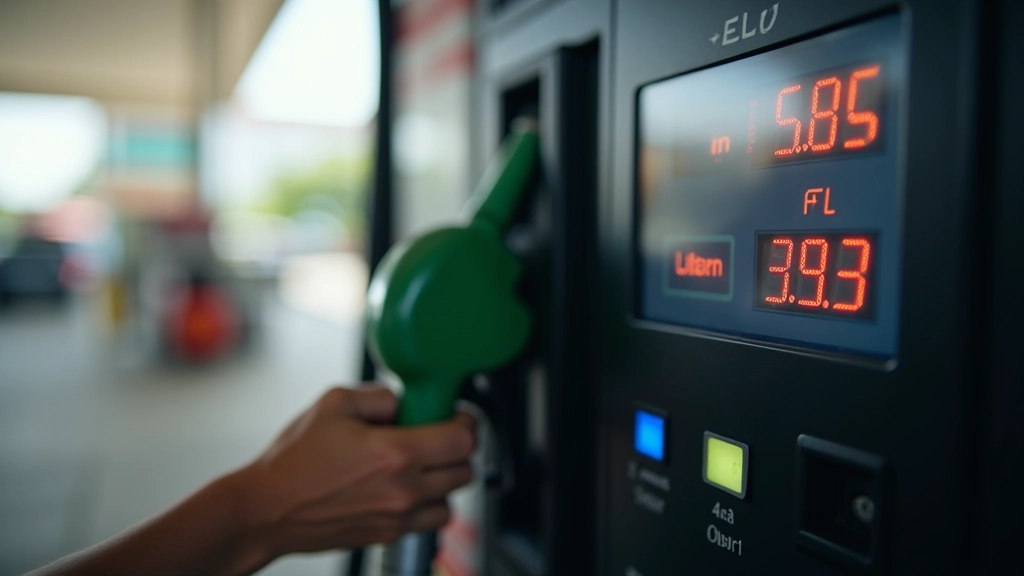
Examine how fuel subsidy changes impact petrol prices, transportation costs, and the broader inflation picture for Malaysian consumers and businesses.
Read MoreFollow the systematic process we use to monitor and analyze consumer price trends across Malaysia.
We gather price information from retail outlets, markets, and service providers across Malaysia’s urban and rural areas. This comprehensive approach ensures we capture real pricing across different regions and product categories.
Our team analyzes collected data to identify trends, compare month-over-month changes, and calculate weighted averages. We’re looking for patterns in food prices, fuel costs, and other essential goods that affect your household budget.
Using standardized methodology, we calculate the Consumer Price Index by comparing current prices against a base period. This gives us a clear picture of how much prices have changed and helps forecast future inflation trends.
We publish detailed reports breaking down inflation by category — food, energy, housing, and more. These insights help households and businesses make informed decisions about spending and planning.
Key metrics showing the state of consumer prices and economic trends in Malaysia for 2026.
0.3%
Month-over-month consumer price movement across tracked categories.
High
Seasonal variations and supply chain factors drive significant fluctuations in grocery costs.
+8.2%
Year-over-year increase reflecting subsidy rationalisation and global energy prices.
117.4
Overall index showing the cumulative effect of price changes on household expenses.
Our comprehensive resources cover everything you need to understand inflation’s impact on your daily life.
Deep dive into how the Consumer Price Index is calculated, weighted, and used to measure inflation accurately across Malaysia.
Explore seasonal patterns, supply chain factors, and market dynamics that influence what you pay at the grocery store each month.
Understand how subsidy rationalisation affects petrol prices, transportation costs, and the ripple effects through the broader economy.
Learn how we compare costs across regions and time periods to give you a complete picture of your household’s purchasing power.
Discover predictable price patterns throughout the year and how they affect your budget planning and financial decisions.
Get actionable information to make smarter spending choices and better understand economic news affecting Malaysia’s consumers.
Common questions about inflation, CPI tracking, and what it all means for your wallet.
The CPI’s basically a measure of how prices change over time for goods and services that regular people buy. We track things like food, fuel, housing, and transportation. It helps us understand if your money’s buying less stuff than it used to.
We release CPI data monthly, giving you the most current picture of price changes. This means you can track trends in real time and see how inflation’s affecting your household budget month by month.
Food prices aren’t stable because they’re influenced by harvest seasons, weather patterns, transportation costs, and global market conditions. During harvest months prices often drop, while off-season periods see spikes. Supply chain disruptions can also cause unexpected changes.
When fuel subsidies are reduced, petrol prices rise. This directly hits your transportation costs, but it also cascades through the economy — delivery costs increase, which pushes up prices for groceries and other goods. It’s not just about what you pay at the pump.
Yes, we track regional variations in our cost of living index. Kuala Lumpur, Johor Bahru, Penang, and other major cities have different price levels for the same goods. This helps you understand if your expenses are typical for your area or if you’re paying more.
Understanding inflation trends helps you plan ahead. If you know food prices typically spike during certain months, you can adjust your grocery shopping. Knowing fuel price patterns helps with transportation planning. It’s about being proactive rather than surprised.
Understanding price trends gives you better control over your finances and helps you make smarter economic decisions.
When you understand inflation patterns, you’re not blindsided by price changes. You can time big purchases, adjust your shopping habits, and stretch your budget further.
Knowing inflation trends helps with budgeting, savings planning, and investment decisions. You’ll understand how your purchasing power changes and adjust your financial goals accordingly.
If you run a business, understanding inflation helps you price products correctly, manage supplier costs, and forecast revenues. You’re not guessing — you’re using real data.
When the news reports inflation figures, you’ll actually understand what it means. You’ll see how government policies affect your daily costs and make sense of economic trends.
We gather information from reliable sources across Malaysia to ensure accurate, comprehensive inflation tracking.
Supermarkets, wet markets, and convenience stores across Malaysia provide real-time pricing data on consumer goods.
Official economic data and price indices from Malaysian government agencies inform our analysis and methodology.
Information from logistics providers and distributors helps us understand cost pressures affecting consumer prices.
Price data from different regions — Peninsular Malaysia, Sabah, and Sarawak — gives us a complete national picture.
Get in touch with us to explore specific inflation topics, discuss your questions, or learn how price trends affect your situation.
Contact Us Today