How CPI Tracking Works in Malaysia
Learn the methodology behind Consumer Price Index calculations and how statistics agencies track inflation across different product categories.
Read ArticleUnderstanding why your grocery bill changes throughout the year and how harvest seasons, supply chains, and weather patterns drive food costs in Malaysia
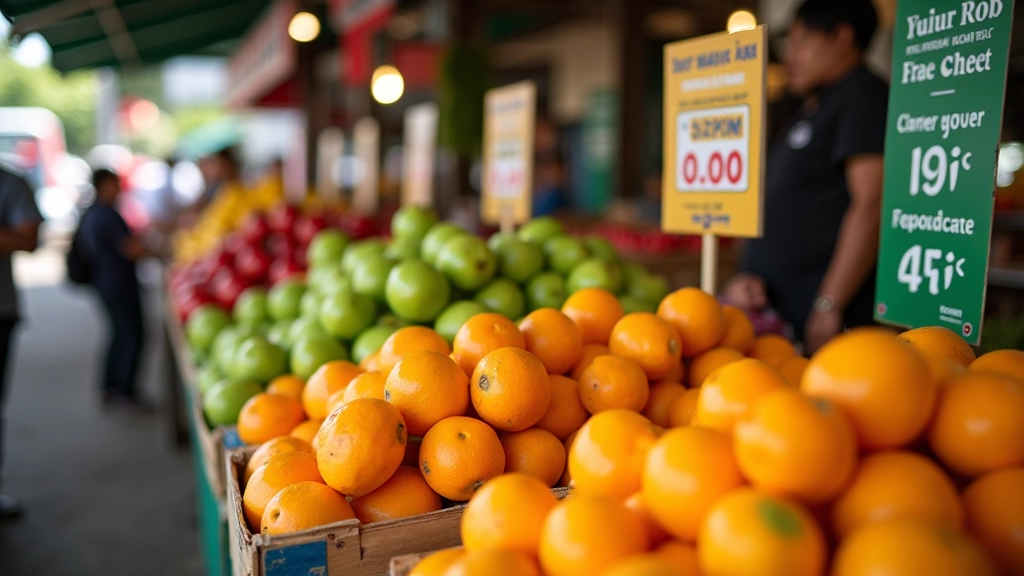
If you’ve noticed that tomatoes cost less in certain months or that chicken prices spike unexpectedly, you’re not imagining it. Food prices don’t stay stable throughout the year. They rise and fall based on harvest cycles, weather patterns, storage capacity, and how goods move through the supply chain. Understanding these patterns helps you plan your household budget more effectively.
In Malaysia, we’re fortunate to have year-round growing seasons in different regions. But that doesn’t mean prices remain constant. Local produce from Pahang might be abundant in one season while Johor’s crops dominate another. Meanwhile, imported goods respond to global market forces and exchange rates. It’s a complex system, but the basics are straightforward once you know what to look for.
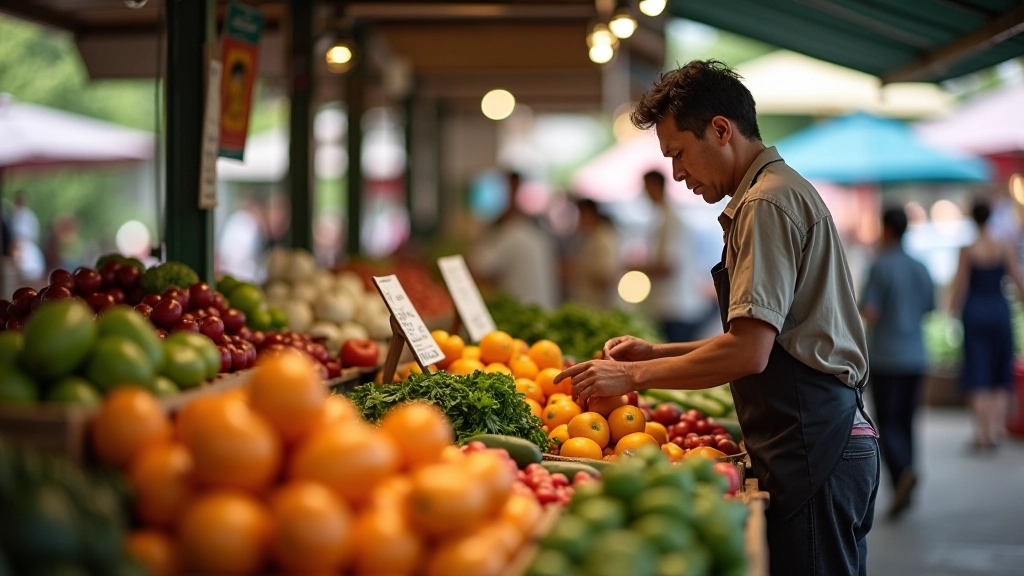
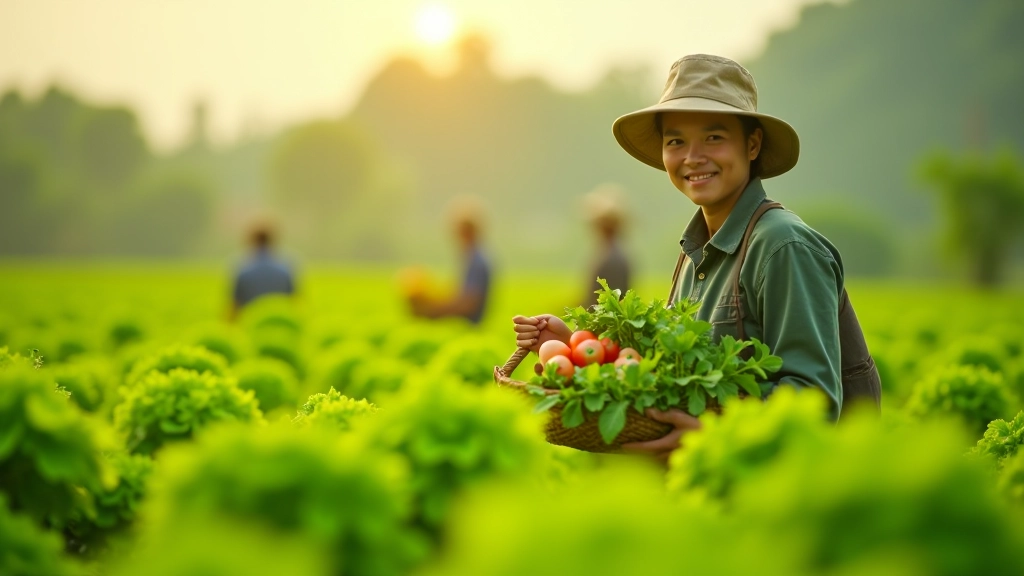
Peak harvest periods are when you’ll find the lowest prices on fresh produce. In Malaysia, different regions have different growing calendars. Vegetables like leafy greens and Chinese cabbage peak around June through August. Papaya and pineapple from Johor flood the market from March to September. When supply is abundant, farmers accept lower prices just to move their goods before they spoil.
This is when savvy shoppers strike. A bundle of kangkung that costs RM3.50 during off-season might drop to RM1.20 during harvest. Chili prices can swing from RM12 per kilogram down to RM4 when fresh pods are coming in daily. The window is short though. You’ve got maybe 6-8 weeks of genuinely cheap fresh vegetables before supply tightens and prices climb back up. After harvest, most produce goes into storage, and storage costs get passed to consumers.
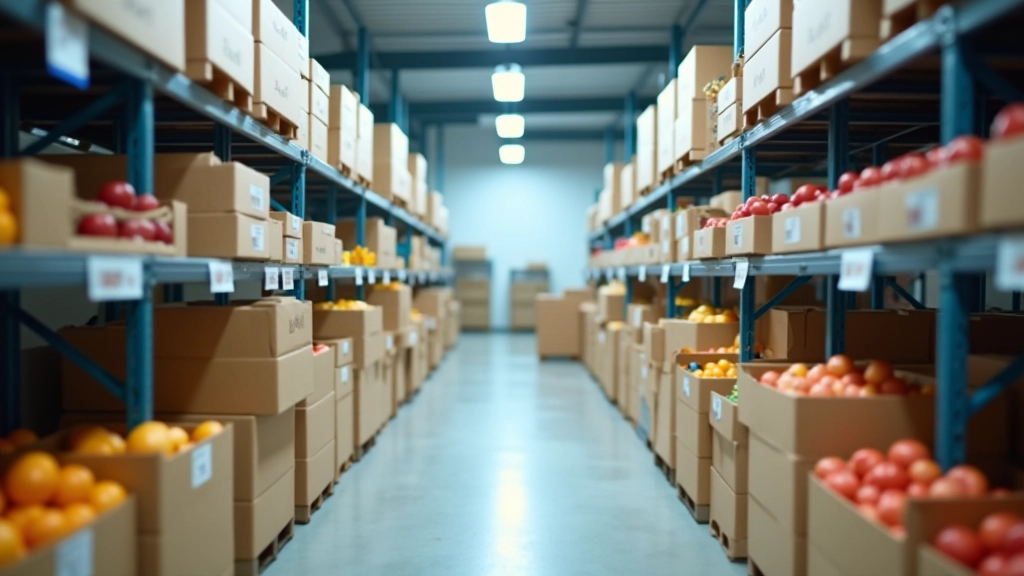
Once the harvest season ends, produce comes from cold storage facilities. Maintaining these storage facilities costs money. Refrigeration, humidity control, packaging materials, and handling labor all add up. Distributors need to recover these costs, so prices rise. That’s why you’ll pay 40-60% more for out-of-season vegetables compared to peak harvest prices.
Transport is another factor. During off-season, goods often travel longer distances. Vegetables from Thailand or Vietnam get imported when local supplies dwindle. Import duties, transportation fuel, and border handling fees stack on top of the wholesale price. A head of cabbage that cost RM0.80 to harvest and immediately sell now costs RM2.50 by the time it reaches your wet market stall. These aren’t arbitrary markups. They’re real costs built into the supply chain.
Unexpected rain, drought, or flooding can destroy crops. A single month of poor weather can reduce tomato supply by 30-40%, sending prices up immediately. During monsoon seasons, expect price volatility as wet conditions damage delicate crops.
When petrol and diesel prices rise, transportation costs increase. This affects everything from farm-to-market delivery to refrigerated trucks to import costs. Fuel subsidy changes directly impact what you pay at the market within 2-3 weeks.
Malaysia imports a significant portion of its food. When the ringgit weakens against the US dollar, imported goods become more expensive. A 5% depreciation typically raises import food costs by 3-4% within a month.
Festive seasons like Chinese New Year, Ramadan, and Aidilfitri create demand spikes. Chicken prices can jump 20-30% during these periods as households buy more. Prices normalize once celebrations end.
If storage facilities reach capacity, prices drop because distributors need to move stock quickly. Limited storage forces higher prices because goods can’t be held long. A new cold storage facility opening can actually lower regional food prices.
Fertilizer, seeds, and pesticide prices affect what farmers pay to grow crops. When these inputs become expensive, farmers pass costs to distributors, who pass them to retailers, who pass them to you. Rising input costs mean higher shelf prices regardless of harvest size.
The Department of Statistics Malaysia (DOSM) publishes monthly CPI data that tracks food price movements. They monitor prices for essential items like rice, eggs, chicken, fish, and vegetables. This data becomes part of the national inflation figures that affect interest rates and government policy.
You don’t need to wait for official reports to spot trends. Visit your local market weekly and note prices for items you buy regularly. After 4-5 weeks, patterns emerge. You’ll notice that tomatoes are cheap in July-August, that eggs fluctuate around festival seasons, that fish prices drop after the fishing season opens. This personal tracking is more useful than national averages because it’s specific to your area. A vegetable cheap in KL might still be expensive in Kuching.
Social media groups and WhatsApp chats in your neighborhood often discuss current prices. Neighbors sharing market observations provide real-time data that’s sometimes more current than official statistics. These informal networks help you plan shopping trips to coincide with low-price windows.

Focus your shopping on what’s currently in season locally. Seasonal produce costs 30-50% less than out-of-season imports. Learn what grows when in your region. Pahang’s leafy greens peak differently than Johor’s fruits. Buying what’s abundant right now stretches your budget significantly.
When prices are lowest, buy extra. Freeze vegetables, make pickles, dry herbs, or prepare dishes that freeze well. This requires small upfront investment in freezer space or jars, but you’ll eat cheap, quality food year-round. A RM30 investment in freezer bags during harvest season saves you RM80+ in off-season purchases.
Plan weekly meals around cheap items that week. If chicken is RM7.50/kg, buy chicken. If tomatoes are RM1/kg, make dishes with tomatoes. This flexibility around what’s affordable right now reduces waste and cuts your bill by 15-20% compared to fixed shopping lists.
When government announces fuel subsidy rationalizations or price ceiling changes, prices adjust within days. Stay informed about policy changes. When subsidies decrease, expect price spikes. Stock up on essentials just before these changes take effect if possible.
Food price fluctuations aren’t random chaos. They follow patterns based on harvest cycles, storage availability, transport costs, and market demand. Once you understand these patterns, you’re no longer a passive consumer accepting whatever price the market offers. You become strategic, timing purchases to coincide with abundance and preparing during peak seasons for leaner times.
The most effective strategy combines three habits: buying what’s currently seasonal and abundant, preserving that abundance for later, and staying informed about policy changes that affect prices. None of this requires specialized knowledge. You just need to pay attention to your local market, track a few key items, and adjust your habits gradually. Over the course of a year, these small adjustments can save your household 10-15% on food spending without sacrificing nutrition or quality.
Start small: Pick one item you buy weekly. Track its price for eight weeks. You’ll see the pattern. Then add another item. Build your personal price knowledge gradually, and your grocery shopping becomes smarter with every trip.
This article provides educational information about food price fluctuations in Malaysia. The data, trends, and analysis presented are for informational purposes only. Individual food prices vary by location, retailer, and time of purchase. Actual price movements may differ from the patterns described. This content is not intended as financial advice for investment or purchasing decisions. For current official price data and inflation statistics, refer to the Department of Statistics Malaysia (DOSM) and Bank Negara Malaysia official reports. Your household circumstances and budget priorities are unique—apply these concepts thoughtfully to your own situation.