

How CPI Tracking Works in Malaysia
Learn the methodology behind Consumer Price Index calculations and how statisticians measure inflation across the nation.
Read MoreUnderstanding how subsidy changes reshape petrol prices, transportation costs, and inflation across Malaysia’s economy
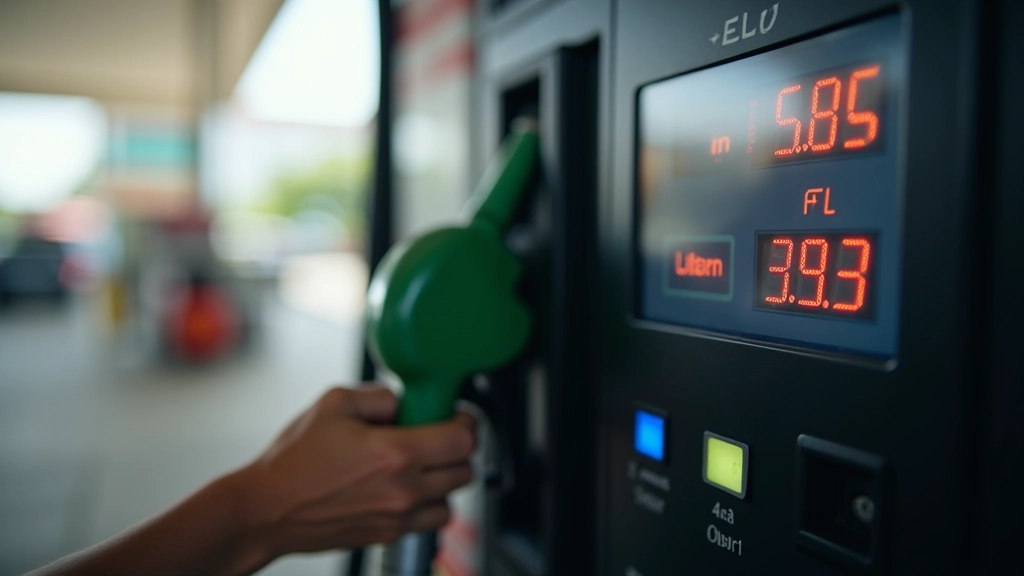
When governments reduce fuel subsidies, petrol prices rise. It’s that simple on the surface. But beneath this straightforward change lies a complex ripple effect through the entire economy. Transportation costs climb. Goods become more expensive. Inflation picks up. For Malaysian consumers and businesses, understanding subsidy rationalisation isn’t just economic theory — it’s directly connected to your monthly expenses.
The Malaysian government has implemented subsidy adjustments at various points to align domestic fuel prices closer to international market rates. These aren’t sudden shocks but gradual shifts designed to reduce fiscal burden. Yet even gradual changes create measurable impacts on inflation, cost of living, and purchasing power across different income groups.

Here’s where you’ll feel the change first. When subsidies decrease, petrol prices don’t stay constant. Between 2022 and 2025, Malaysia’s fuel prices fluctuated significantly as international crude oil prices shifted and subsidy policies adjusted. A 10-sen increase per liter might seem modest, but multiply that across a nation of vehicles and suddenly you’re looking at substantial household budget impacts.
The mechanism works like this: government support keeps prices artificially low. Remove that support, prices rise. Drivers filling a 50-liter tank at a petrol station notice the difference immediately. What used to cost RM80 now costs RM90. Multiply this across 7 million registered vehicles in Malaysia, and you’re talking about billions in additional consumer spending annually.

Transportation isn’t just about driving your own car. It’s the backbone of Malaysia’s supply chain. When fuel costs rise, every business that relies on vehicles faces higher operational expenses. Taxi fares increase. Delivery services pass costs to e-commerce platforms. Public transportation operators request fare hikes.
This cascade effect is where subsidy rationalisation truly impacts inflation. A study of Malaysia’s transportation sector shows that every RM0.10 increase per liter translates to approximately 2-3% increase in transportation costs within three to six months. Businesses don’t absorb these costs — they pass them forward to consumers through higher prices on goods and services.
Consider your local logistics network. Food travels from farms to distribution centers to markets. Each leg requires fuel. Increased fuel costs mean increased product costs. That tomato that cost RM2.50 might cost RM2.80 after subsidy adjustments ripple through the system.

The Consumer Price Index captures these shifts
Transportation represents approximately 13-15% of Malaysia’s Consumer Price Index basket. When fuel prices rise, this component’s weight increases CPI readings measurably.
Food, housing, and utilities all incorporate transportation costs. Subsidy impacts spread across multiple CPI categories, amplifying overall inflation pressure.
Monthly CPI data captures fuel price movements immediately. Year-over-year comparisons show whether subsidy changes contributed to inflation acceleration.
Subsidy rationalisation affects different income groups unevenly. Higher-income households might allocate 3-4% of their budget to transportation. Lower-income households? Often 8-12% or more. When fuel costs rise, the impact on household purchasing power varies significantly.
A family earning RM3,000 monthly who spends RM300 on fuel sees a RM30 increase as a painful 1% reduction in overall spending power. A family earning RM10,000 monthly might spend RM400 on fuel, and the same RM30 increase feels more manageable. This is why governments often introduce targeted assistance programs — targeted fuel subsidies for certain groups or cash transfers — to offset subsidy removal impacts on vulnerable populations.
“Subsidy rationalisation isn’t cruel economics — it’s recognizing that government support has limits. But it does require transitional support for those least able to absorb sudden cost increases.”

Malaysian policymakers don’t implement subsidy changes in isolation. They’re typically paired with mitigation measures:
Direct payments to lower-income households help offset fuel cost increases. These transfers target B40 (bottom 40%) income groups specifically.
Keeping public transportation affordable reduces reliance on private vehicles, cushioning individuals from fuel price shocks.
Rather than sudden jumps, subsidy reductions happen incrementally — giving businesses and households time to adjust operations and budgets.
Funds freed from subsidy budgets get redirected to infrastructure and development, supporting long-term economic productivity.
Fuel subsidy rationalisation isn’t simply about pump prices. It’s a fundamental shift in how government supports its economy and how that support — or lack thereof — ripples through inflation, transportation, food prices, and cost of living for millions of Malaysians. When you’re tracking CPI or wondering why goods cost more, subsidy changes are often part of the story.
The relationship between subsidies and inflation isn’t mysterious once you trace the connections. Higher fuel costs lead to higher transportation costs. Higher transportation costs increase prices for delivered goods. Those price increases show up in your Consumer Price Index data. Understanding this chain helps you make sense of inflation reports and economic news.
Malaysia’s approach to subsidy rationalisation reflects a broader economic reality: government support isn’t infinite, but the transition requires thoughtful implementation and targeted support for those most affected. That’s why monitoring both fuel prices and policy responses gives you the clearest picture of Malaysia’s inflation landscape.

This article provides informational content about fuel subsidy rationalisation and its economic effects in Malaysia. The information presented is based on economic principles, historical data, and policy documentation available as of March 2026. Actual subsidy policies, fuel prices, and inflation rates vary over time and depend on numerous factors including international crude oil prices, government policy decisions, and global economic conditions.
This content isn’t financial advice or economic forecasting. For specific decisions regarding personal finances, investments, or business operations, consult qualified financial advisors or economists. Government policy, inflation rates, and fuel prices are subject to change. Always verify current information from official sources like Bank Negara Malaysia, the Department of Statistics Malaysia, and government energy ministry announcements.